The Role Of Models In Sustainable Architecture
2 min read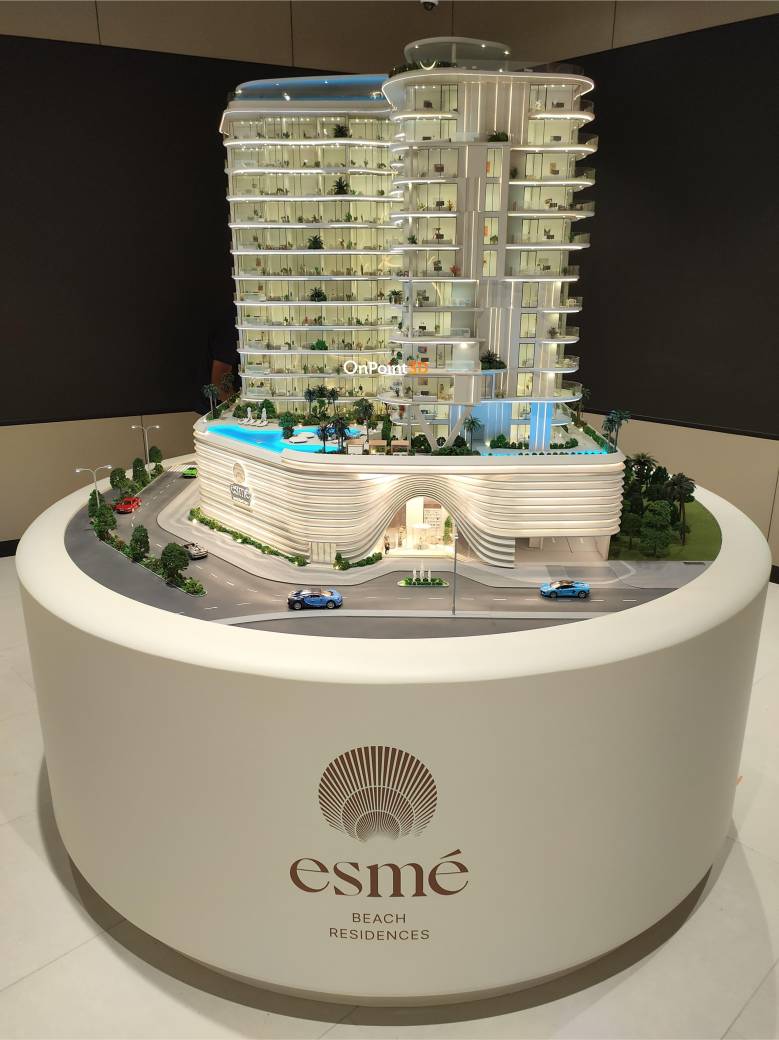
Models are miniature representations in sustainable architecture. Physically and digitally, they allow designers to test environmental strategies with tangible clarity.
These prototypes facilitate crucial interdisciplinary dialogue with engineers and clients, turning abstract concepts into understandable, optimized solutions, and are therefore indispensable for validating and achieving truly sustainable built outcomes.
Seeing the sun and shadow:
Architects use digital models to study the sun’s path across a site. By working with expert model makers Dubai, they can see where shadows will fall during different seasons. This helps them decide where to put windows for natural light and warmth. A building can be positioned to catch the sun in winter and block it in summer, saving energy.
Feeling the breeze:
How will wind move around a building? Models can simulate this. Knowing airflow helps designers place windows and vents to catch cool summer breezes. This natural ventilation can reduce the necessity for air conditioning, making the building more comfortable and efficient.
Choosing the right skin:
The materials a building is made from matter a great deal. Models allow architects to test different options. They can see how a wooden facade compares to a concrete one. They can check if a recycled material performs well. This helps select durable, local, and eco-friendly materials for the project.
Saving every drop:
Water is a precious resource. Architectural models can include systems for collecting rainwater. Designers can plan for this water to be used for watering plants or flushing toilets. Models make it easy to visualize and plan these systems, helping to conserve fresh water.
Testing the temperature:
A building’s shape and materials affect its temperature. Digital models can act like a virtual test lab. Architects can see if a room gets too hot in the afternoon sun. They can then adjust the design, perhaps by adding an overhang for shade, to ensure the building stays cool with less artificial cooling.
Building a shared vision:
Physical, scale models are great for communication. A 3D model lets everyone – clients, builders, and the community – see and understand the sustainable vision. It is easier to get people excited about a green roof or a solar panel array when they can see a miniature version of it. This shared knowledge helps bring the project to life successfully.